Will 99.999% of global computing move to space?
Space data centers, Larry Page, Elon Musk, artificial intelligence, Google, Project Suncatcher, advantages of orbital computing

Google co-founder Larry Page believes that practically all of humanity's computing power could end up in orbit in the future. This was shared by investor Patrick O'Shaughnessy on the Invest Like the Best podcast. Elon Musk supported the forecast, and Google has already begun testing artificial intelligence directly in space.
Imagine a future where massive data centers no longer occupy land, do not compete with cities for electricity, and do not require connection to local water systems. Instead, computing power is placed in orbit, powered by the Sun, and exchanges information via satellite communication channels. This is exactly the vision, according to investor Patrick O'--Shaughnessy, that Google co-founder Larry Page is considering.
When Page was asked what share of global computing could eventually be performed in space, he reportedly replied with just two words: five nines. In engineering terms, this means 99.999%. If you imagine 100,000 computing operations, under such a distribution, only one would remain on Earth.
Where did the 99.999% figure come from?
On November 4, 2026, during the Invest Like the Best podcast, Patrick O'Shaughnessy spoke with Martin Casado, a general partner at the venture capital firm Andreessen Horowitz. While discussing the future of computing infrastructure, the host recounted a story about Larry Page. According to him, someone asked the Google founder what share of all computing would one day be in orbit. Page allegedly replied: five nines.
On November 8, Elon Musk publicly supported this idea, noting that Page has made many accurate predictions and this could be one of them. However, it is important to note that Page himself did not participate in the podcast. His words are known only through retelling. It is unknown exactly when he made such an assumption, which categories of computing he had in mind, or what timeframe he applied to the forecast. This is not an official Google strategy, nor a promise to move practically all computing to space by 2030.
Why they want to send data centers into space
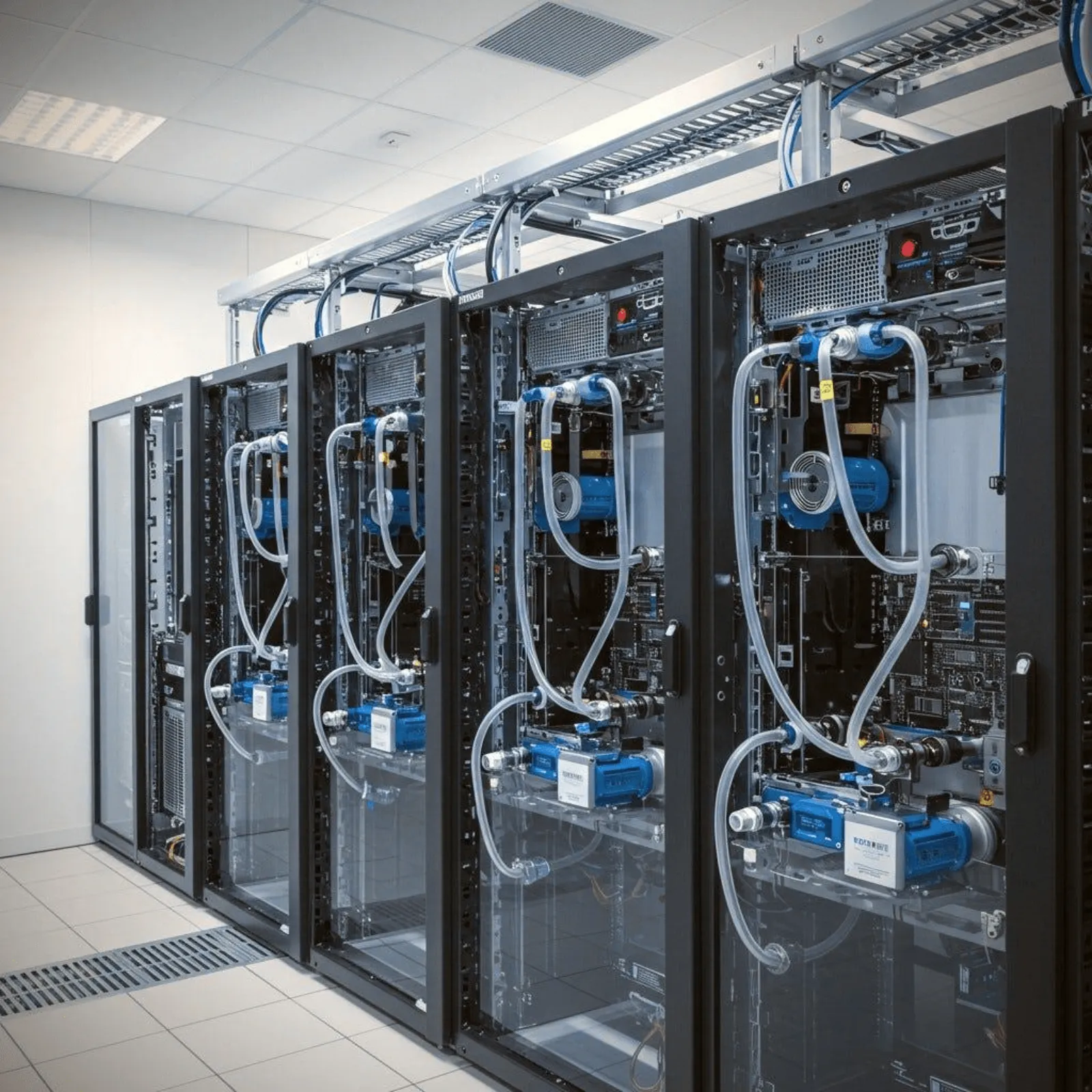
The main reason lies in the rapid growth of artificial intelligence needs. Training and operating modern neural networks require thousands of specialized accelerators, enormous amounts of electricity, efficient cooling, and high-speed networks. At the same time, building terrestrial data centers is becoming increasingly difficult: operators must obtain permits, negotiate grid connections, comply with environmental requirements, and ensure access to necessary infrastructure.
In the podcast, Martin Casado stated that there are about 500 legislative initiatives in the US related to restricting data center construction. This is an investor's estimate, not the number of bans already in effect. Nevertheless, it reflects the growing attention to energy consumption and the placement of computing facilities. Against this backdrop, space is being considered as an alternative site for AI infrastructure.
Orbital computing systems have several potential advantages. In suitable orbits, satellites can receive sunlight significantly longer than ground-based power plants, allowing for a reliance on a stable power supply. Furthermore, such complexes do not require large plots of land or connection to local power grids or water systems. However, the absence of terrestrial infrastructure constraints does not mean that placing servers in space will be easier or cheaper.
Google has already launched AI into orbit
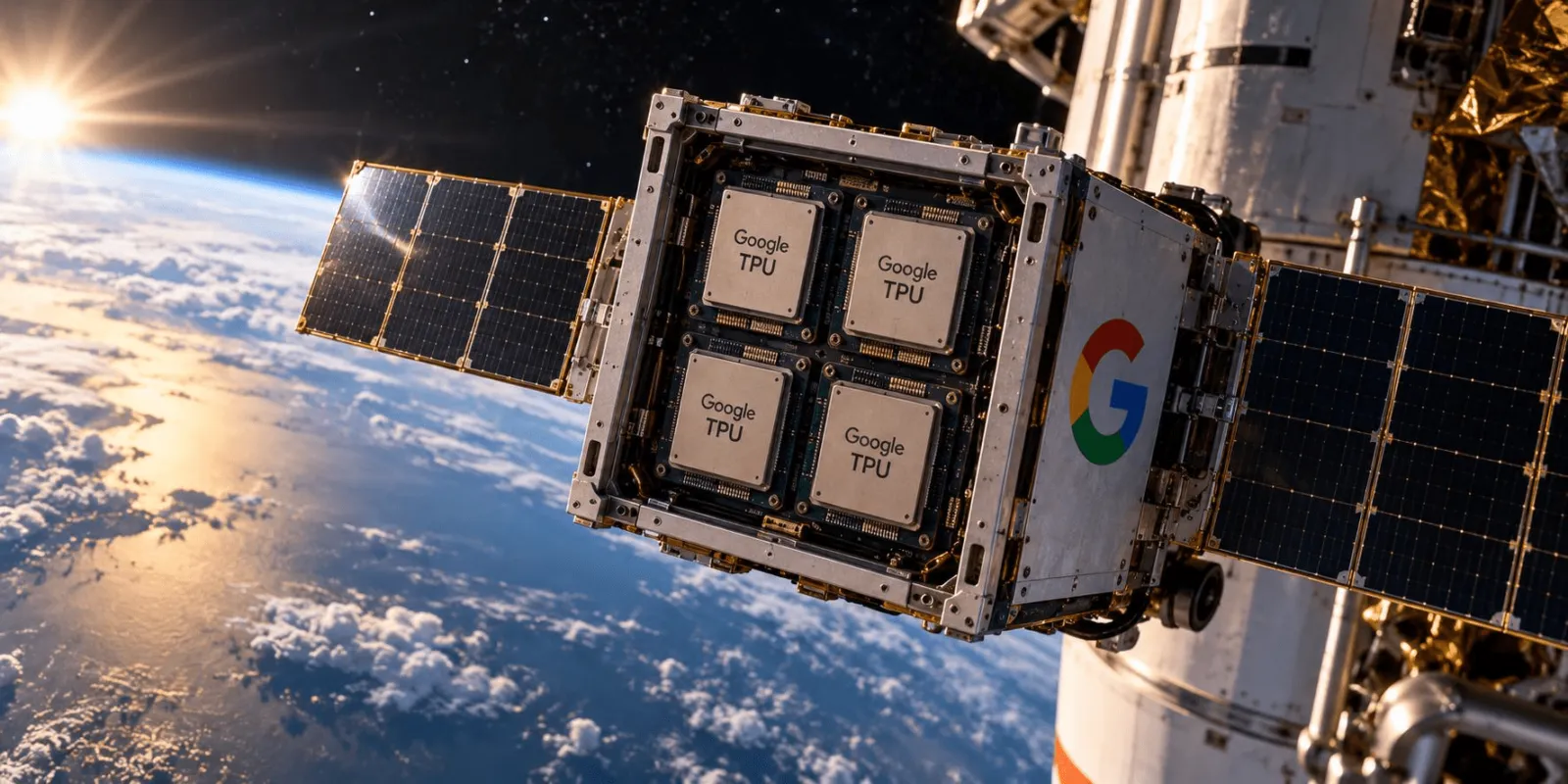
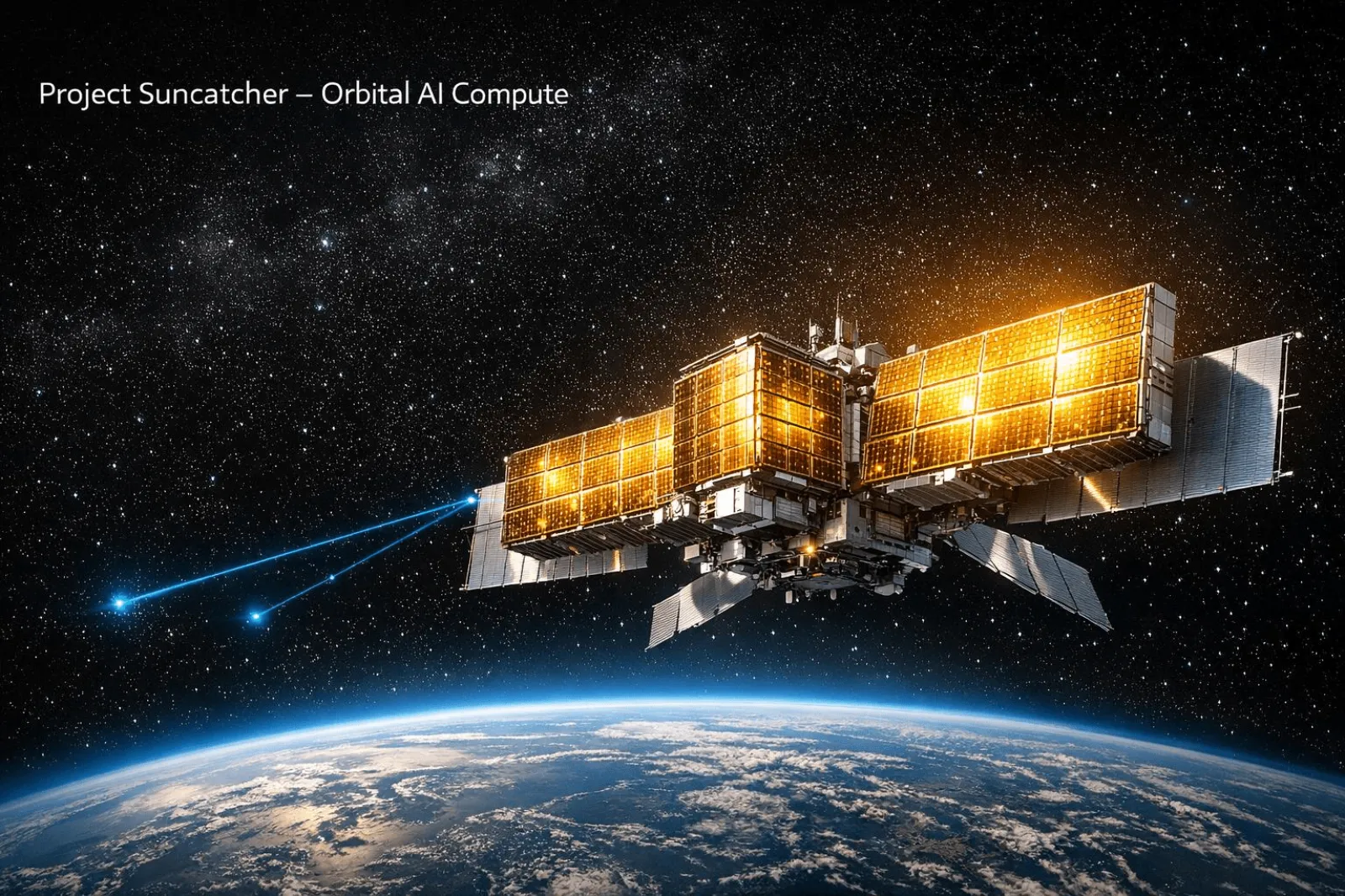
The idea of space computing has ceased to be purely theoretical. In October 2026, Google, together with Planet Labs, launched an experimental satellite as part of Project Suncatcher. Four specialized TPU accelerators designed to perform AI computing tasks were placed on board.
On October 30, Google announced its first successful experiment. The Gemma 4 language model, running on an orbital TPU, received a request from Earth and generated a short poem about space. The response was transmitted back via a ground station in Svalbard. Thus, the company demonstrated the possibility of performing generative AI tasks directly in orbit.
Admittedly, we are currently talking about a small experimental device. The satellite's power is about 1 kW, and a single TPU is capable of operating for approximately 20 minutes per session. This is not yet a full-scale space data center, but rather a research platform for testing key technologies. The next stage of Google's project is scheduled for 2027, when the company intends to test the interaction between two satellites capable of exchanging data.
The main problem with space servers: what to do with the heat
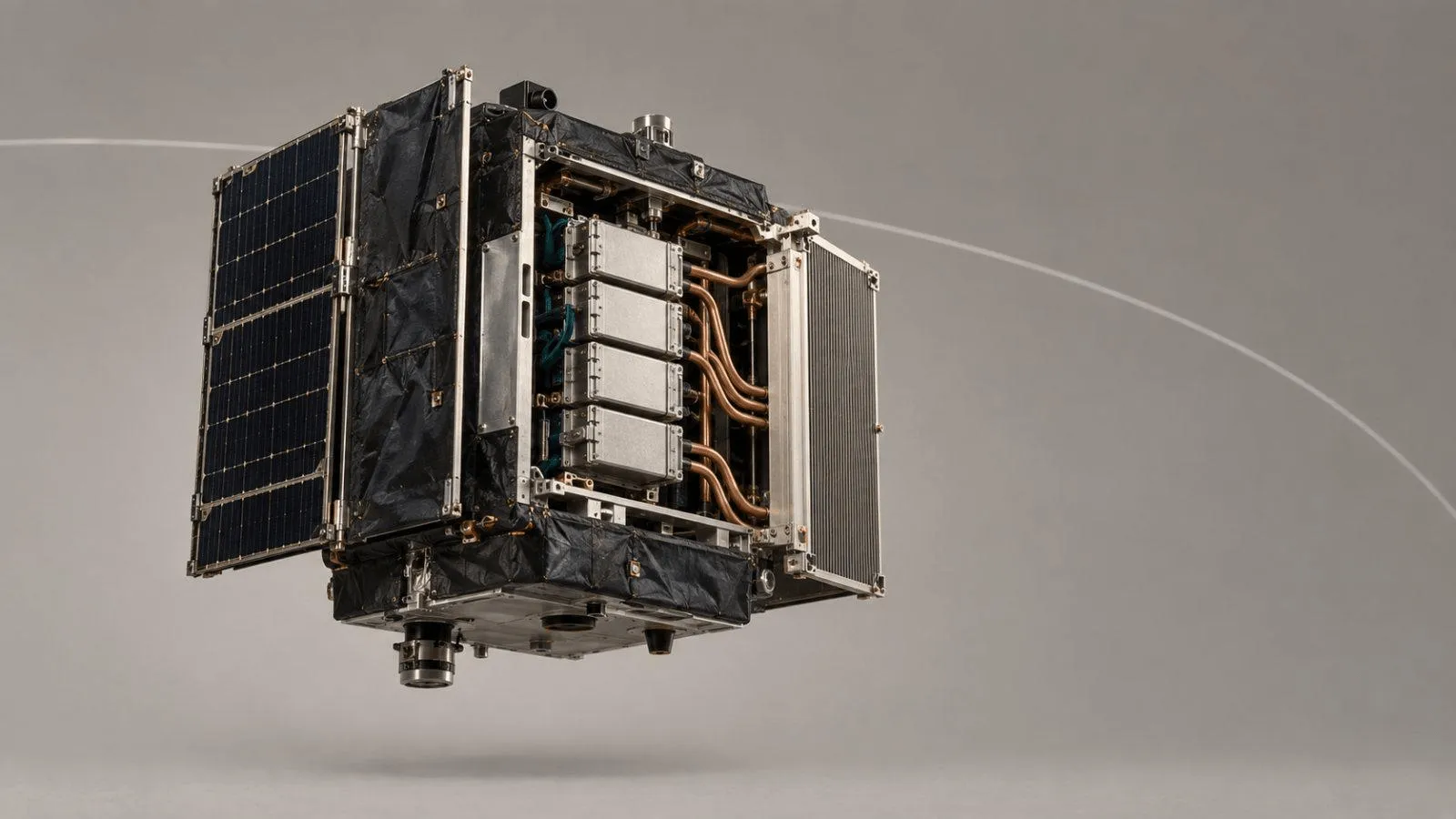
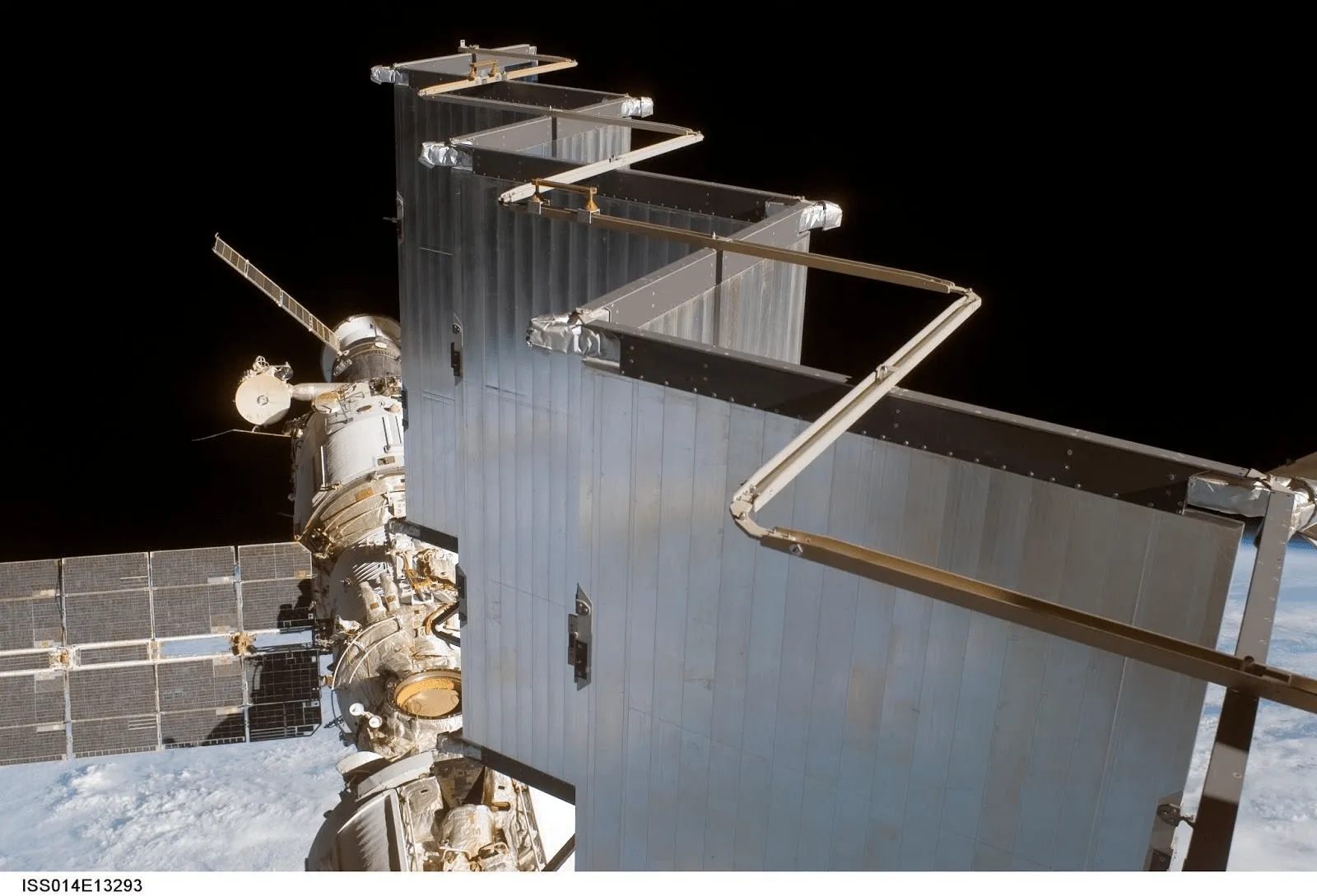
At first glance, space seems like an ideal place for cooling electronics. However, in reality, the vacuum creates a serious engineering problem. On Earth, servers are cooled using air or liquid, whereas in space, there is no surrounding atmosphere to dissipate heat through convection. Therefore, excess thermal energy must be radiated into space through specialized radiators.
The more powerful the computing system, the more heat it generates, and the larger the cooling system may need to be. For large orbital clusters, this means additional mass, complex construction, and increased launch costs. Additionally, space radiation can damage electronic components, satellites need to ensure high-speed communication between each other, and repairing or replacing faulty equipment is significantly more difficult than on Earth.
Space debris presents an additional danger. As the number of satellites grows, so does the need to track potential collisions and adjust orbits. Therefore, creating space data centers will require not only new computing architectures but also significant development of safety systems and orbital infrastructure maintenance.
When will space data centers become more profitable than terrestrial ones?
One of the key factors is the cost of delivering equipment to orbit. Google is considering a scenario in which, by the mid-2030s, the cost of cargo launches could drop to below $200 per kilogram. Under such conditions, the economics of space computing could potentially approach the cost of powering terrestrial data centers. However, this is a calculated scenario, not a guaranteed cost for future launches.
In a 2026 study, Boston Consulting Group analysts also examined the prospects of orbital computing. According to their estimates, technically feasible large-scale space data centers could emerge within five to ten years, but space infrastructure will likely remain more expensive than its terrestrial counterpart for quite some time. The most promising early-stage use cases may involve specialized tasks, such as processing satellite imagery directly in orbit, eliminating the need to constantly transmit raw data to Earth for primary analysis.

How AI Architecture Will Change
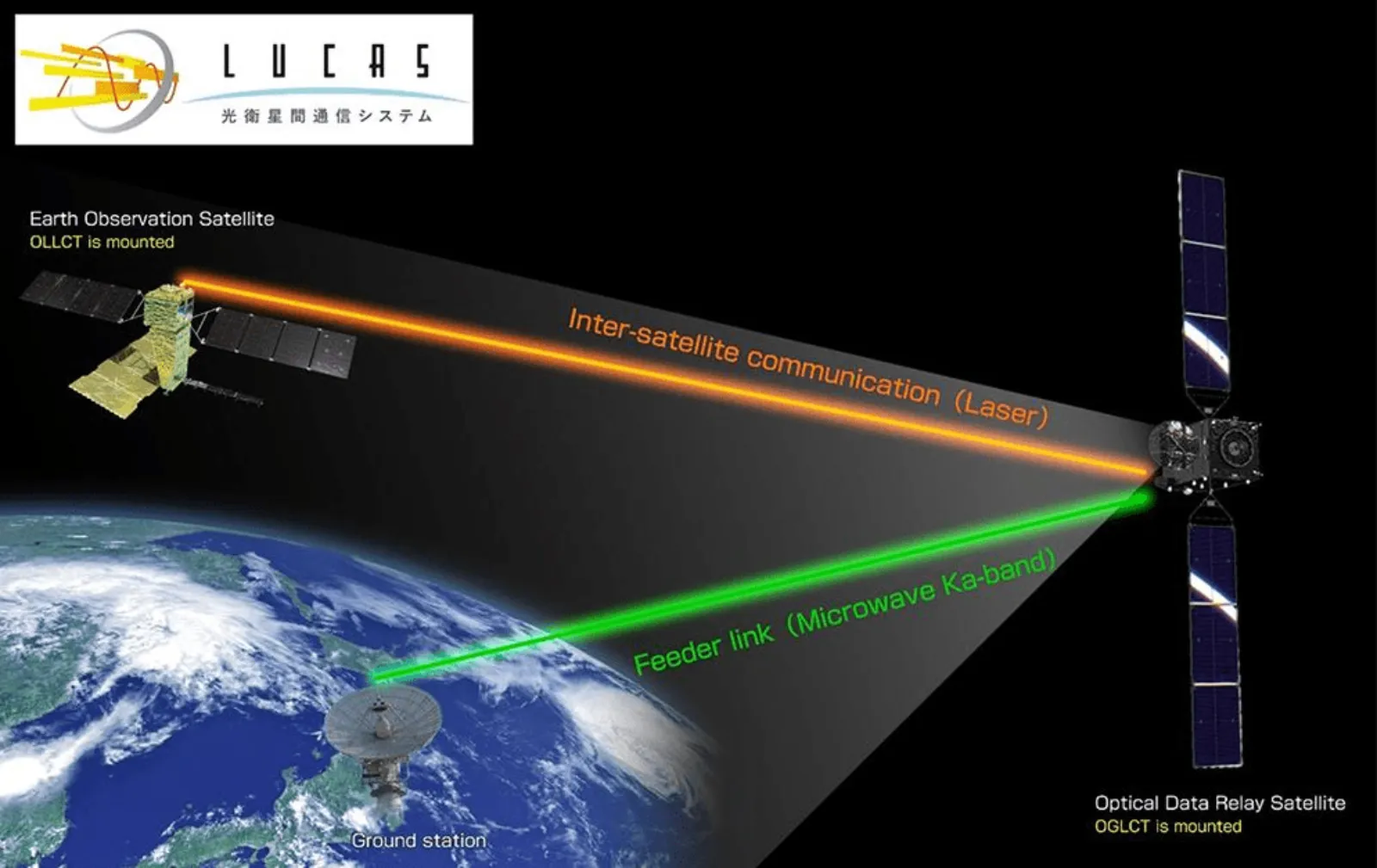
If space computing becomes economically viable, the very architecture of digital infrastructure will change. Today, large computing clusters are built near accessible energy sources, network backbones, and industrial hubs. In the future, part of these systems could be hosted within satellite constellations linked by high-speed optical communication channels. This opens up possibilities for distributed computing, satellite data processing, and the deployment of specialized AI models.
However, training the world's largest neural networks requires extremely intensive data exchange between accelerators. Building such an infrastructure in orbit remains one of the most daunting engineering challenges. There is also the issue of latency: for many consumer services, terrestrial data centers maintain a clear advantage due to their proximity to users, ease of maintenance, and the ability to rapidly upgrade hardware.
Therefore, in the foreseeable future, the coexistence of terrestrial and space-based computing systems seems more realistic. Certain tasks could be performed directly in orbit—especially if the raw data is already there—while the most latency-sensitive and maintenance-heavy systems continue to operate on Earth.
<p>Why Page's prediction no longer looks like pure science fiction</p>
Until recently, the idea of launching servers into space was perceived primarily as a futuristic concept. Today, the situation is shifting. SpaceX is developing reusable rockets and technologies to drive down launch costs, Google is experimenting with orbital TPUs, satellite operators are improving optical communications, and electronics developers are researching ways to make computing components more resistant to cosmic radiation.
Taken together, these trends are creating the technological foundation for future orbital data centers. However, there is a massive gap between an experimental satellite equipped with a few accelerators and moving virtually all of humanity's computing into space. Realizing such a scenario would require a radical reduction in launch costs, as well as the creation of new systems for cooling, power supply, maintenance, and inter-satellite communication.
In the coming years, the development of space computing will most likely focus on small-scale experimental platforms. Companies will test accelerator performance under radiation, the efficiency of cooling systems, and the feasibility of linking satellites into distributed computing clusters. The next stage could involve creating specialized orbital systems for processing imagery, scientific data, and specific AI tasks.
If you are interested in AI, technology, and the future—welcome to my channel to discuss and share updates.
Translated from Russian. Original on vc.ru: 99,999% мировых вычислений переедут в космос?