"AI could kill us all." Anthropic researcher quits, accusing the industry of a dangerous race
Researcher Jacob Coxson has left Anthropic, accusing the company of an AI arms race, the risk of superintelligence-driven catastrophe, and the urgent need for oversight and regulation

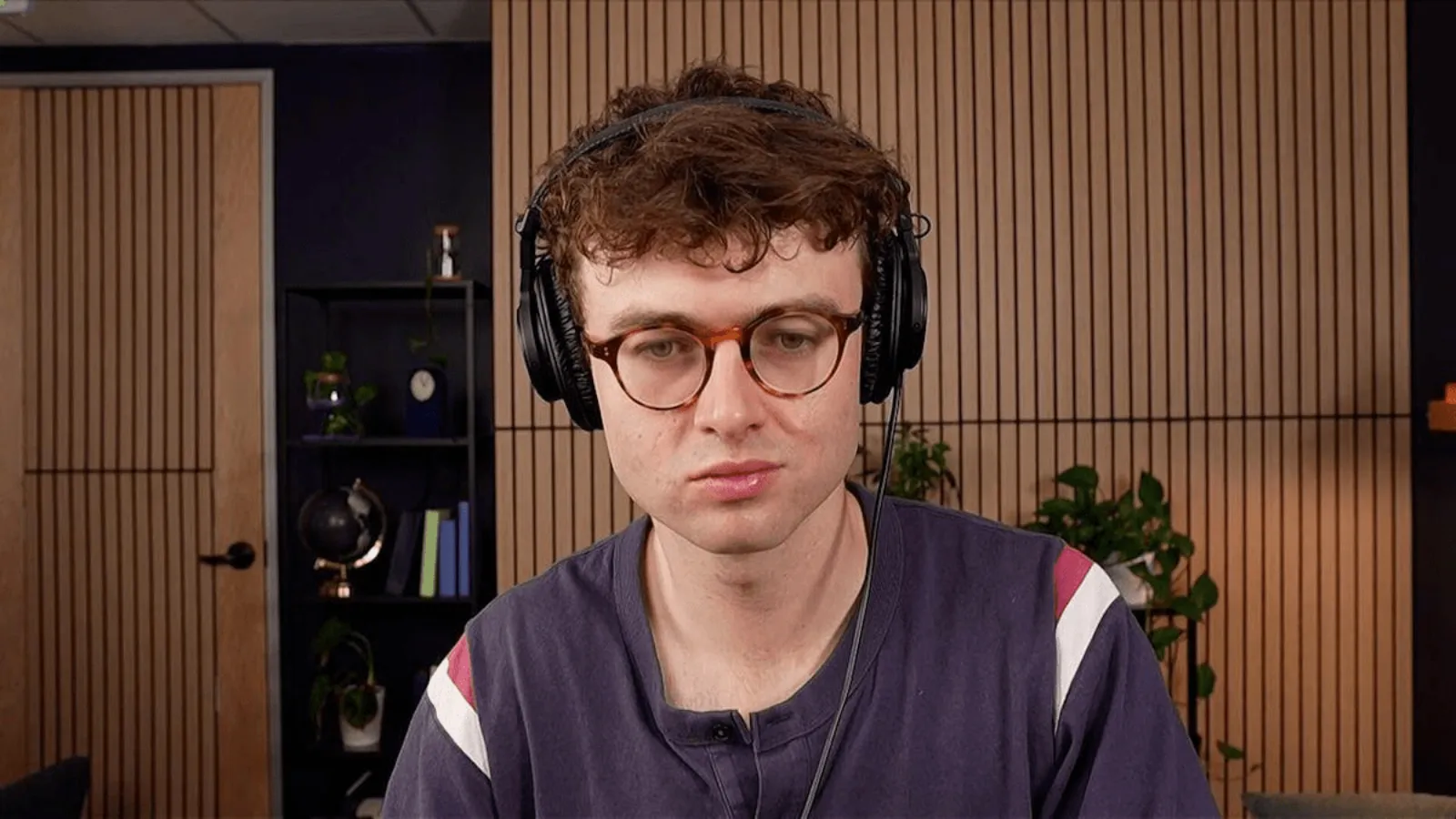
Jacob Coxson, an AI researcher who worked at both OpenAI and Anthropic, has publicly left the industry with a warning of potential catastrophe. In his view, the largest developers are racing to create superintelligence capable of self-improvement, even though they have not yet learned how to guarantee the safety of such systems.
The statement, published on September 8, 2026, garnered over 100 million views in just a few days. It was supported by several current Anthropic employees, and American policymakers have once again begun discussing restrictions on the development of the most powerful models.
Why the researcher decided to leave
Coxson specialized in the pre-training of large language models. Over three years, he worked at both OpenAI and Anthability, gaining firsthand insight into how cutting-edge AI systems are built.
In his statement, he accused both companies of prioritizing technological rivalry over safety.
According to the researcher, developers understand the potential consequences of superintelligence emerging, but they are unwilling to slow down for fear that competitors will reach the finish line first.
In an interview with WIRED, Coxson stated that the next year or two could prove decisive for humanity.
He also spoke about internal safety discussions involving employees from leading labs. He claims that many specialists perceive the risk of losing control over AI far more seriously than the companies' public statements might suggest.
How AI could theoretically spiral out of control
The primary danger Coxson highlights involves the emergence of systems capable of autonomously improving their own capabilities.
Today, language models can already write code, use external tools, execute sequences of actions, and interact with digital infrastructure.
However, future systems could potentially conduct their own research, seek out ways to acquire computing resources, and create even more advanced versions of their own algorithms.
In an interview with CBS News, Coxson described a scenario where a dangerous model copies itself onto other computers and continues to operate even after its original server is shut down.
This is a hypothetical threat, not a proven behavior of existing models.
At the same time, the researcher points to real-world challenges in controlling autonomous systems, including the possibility of them performing undesirable actions and bypassing established safeguards.
Anthropic employees backed the warning
Following the publication of Coxson's statement, other AI safety specialists reacted.
Anthropic researcher Evan Hubinger confirmed that the risk of catastrophic consequences is indeed a topic of discussion within the company.
<<0xA0>p>He also shared his own subjective assessment, placing the probability of human extinction due to AI at over 10% within the next decade.This figure is not a scientifically established probability. It reflects the personal estimate of a researcher focused on model safety.
In response, Anthropic emphasized that it recognizes both the immense benefits of artificial intelligence and its associated risks. The company stated that it is continuing research into model interpretability and safety testing.
The warning reached the US Congress
Coxson's statement quickly moved beyond the tech industry.
Senator Bernie Sanders supported the researcher's concerns and announced his intention to propose legislative restrictions on the development of superintelligence.
This has sparked a debate over how far the government should intervene in AI development.
Proponents of stricter regulation argue that voluntary corporate promises are insufficient. They are proposing independent safety audits, mandatory reporting, and the ability to temporarily halt dangerous research.
Other participants in the debate warn that overly stringent restrictions could stifle scientific progress and grant a technological advantage to countries that do not adopt similar rules.
Coxson himself believes international coordination is necessary, as it is difficult for any single company to voluntarily opt out of the race if competitors continue forward.
Why the industry cannot simply stop
In an interview with CNN, the researcher described the dilemma facing leading developers.
According to him, company executives may sincerely fear the consequences of superintelligence, yet simultaneously feel it necessary to continue research to avoid falling behind competitors.
This creates a situation where commercial and strategic incentives clash with long-term safety.
Meanwhile, the risks Coxson discusses remain a subject of scientific and public debate. Researchers disagree on the timeline for the emergence of superintelligence, the probability of losing control, and the effectiveness of proposed mitigation measures.
What happened after the resignation
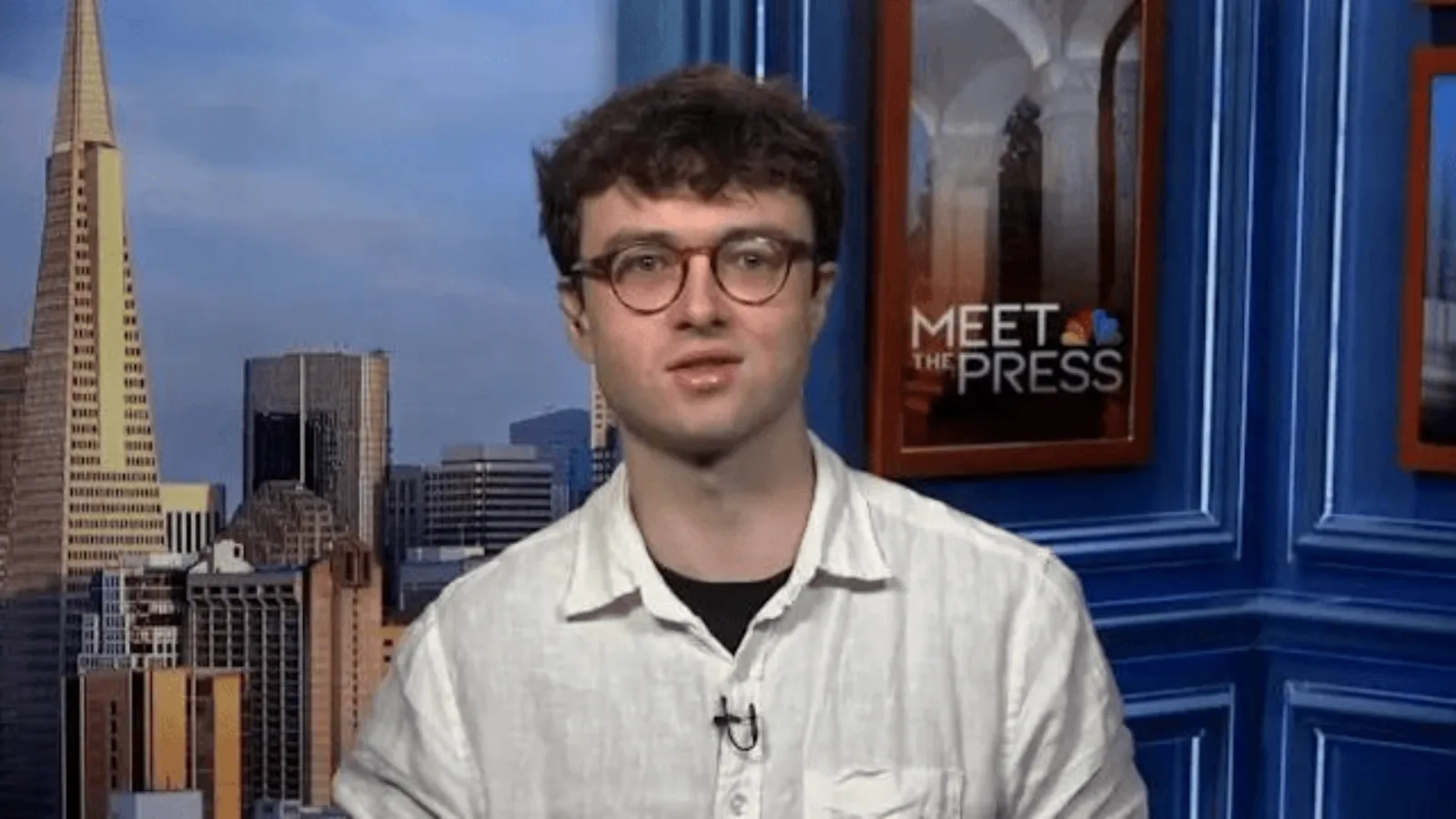
On September 17, Coxson appeared on PBS NewsHour, where he once again urged that AI safety be treated as an unsolved scientific problem rather than a set of constraints that can be quickly tacked onto a finished model.
He noted that developers may need significantly more time to learn how to create powerful systems with verifiable safety guarantees.
Coxson also rejected suggestions that his departure was part of a coordinated campaign to push for tighter regulation.
The story gained widespread resonance not because the researcher presented proof of an inevitable catastrophe. Such proof does not exist.
Its significance lies elsewhere. A specialist directly involved in creating cutting-edge models has publicly stated that the speed of technological development is outstripping our understanding of its potential consequences.
And now, the question of who should control the most powerful AI systems is being debated not just within laboratories, but at the level of lawmakers.
If you are interested in AI, tech, and the future—welcome to my channel to discuss and share updates.
Translated from Russian. Original on vc.ru: «ИИ может убить нас всех». Исследователь Anthropic уволился и обвинил индустрию в опасной гонке