Margaret Hamilton has passed away. The woman whose code helped put humans on the Moon
Margaret Hamilton: Apollo software developer, a key figure in software engineering, and a major influence on NASA space missions

She led the development of the onboard software for NASA's Apollo missions. She was 90 years old. Hamilton became a pivotal figure in the history of software engineering at a time when the very concept of the field barely existed.
The code that couldn't be restarted
In 1965, Hamilton joined the MIT lab that had secured the NASA contract to create the Apollo onboard software. She initially worked on programs for unmanned missions before eventually leading the development of software for manned flights. By 1968, under Hamilton's leadership, hundreds of specialists were working to create the software for the Command and Lunar Modules.
It is easy to underestimate the significance of this work today. By modern standards, the Apollo Guidance Computer had extremely limited computing resources, and the software had to operate in conditions where a single error could cost the crew their lives. Consequently, Hamilton and her team placed immense focus on error handling, task prioritization, and the system's ability to continue functioning even when unforeseen situations arose.
That defining moment during Apollo 11
The most famous test of the software occurred during the final descent phase of Apollo 11. Shortly before landing, the Lunar Module's computer began triggering '1202' alarms. The system was being overloaded with extra tasks; however, the software developed by Hamilton's team was capable of automatically dropping less important processes to ensure critical landing tasks remained active. Mission Control in Houston was able to proceed with the mission, and on July 20, 1969, Neil Armstrong and Buzz Aldrin completed the first human moon landing in history.
This specific episode perfectly illustrates how Hamilton's work differed from ordinary programming. She designed a system with the understanding that it was impossible to anticipate every single error in advance. This approach later became one of the fundamental principles of building reliable software.
She essentially helped create a profession
Hamilton did more than just write code for Apollo. She was one of the first to use the term 'software engineering,' emphasizing that software development should be treated as a distinct engineering discipline involving system design, testing, and reliability control. Today, NASA directly links her work to the formation of the foundations of modern software engineering.
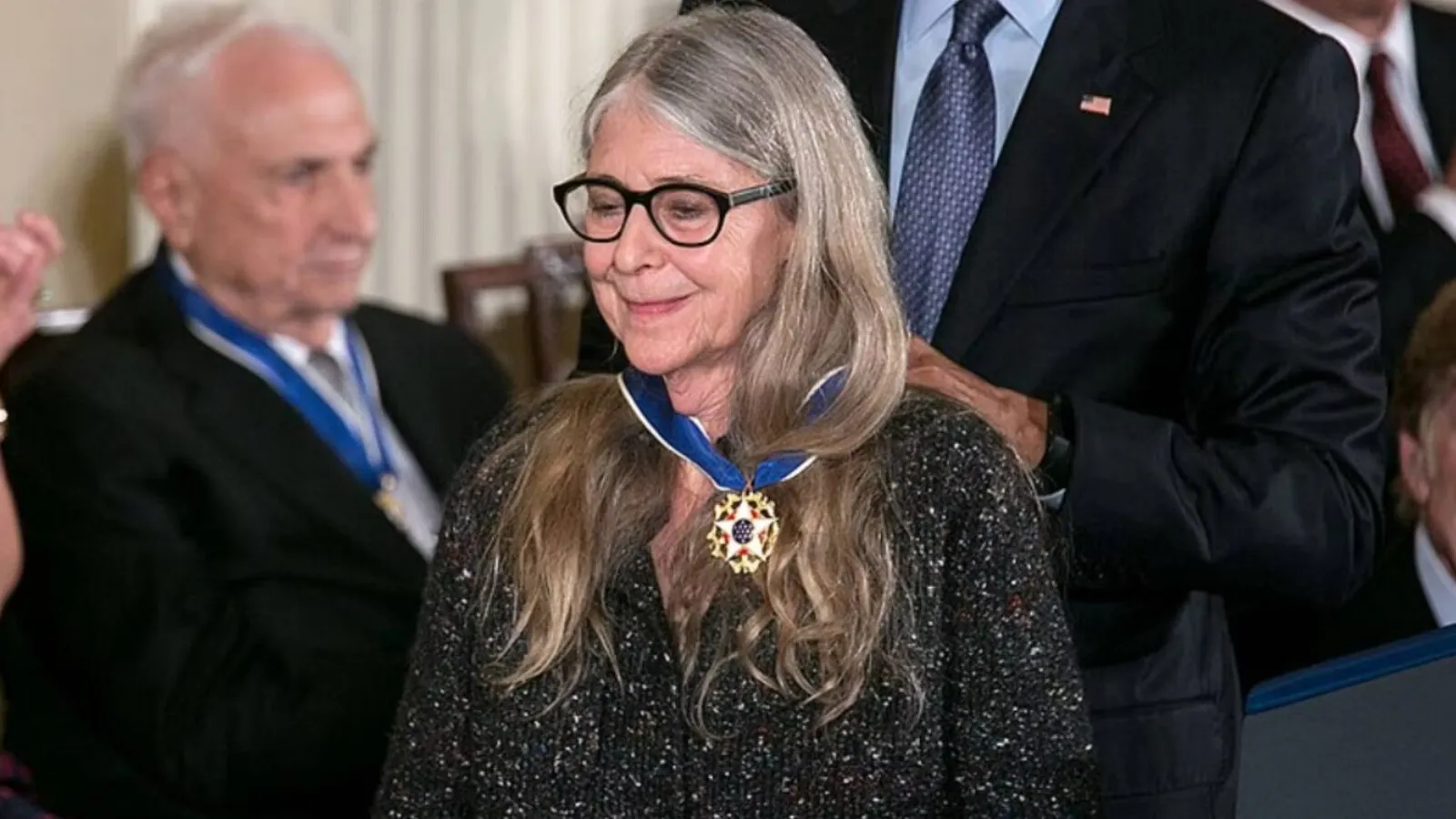
After Apollo, Hamilton continued her work in software systems development. In 1976, she founded Higher Order Software, and in 1986, she established Hamilton Technologies. Her approach was centered on error prevention and creating systems capable of operating correctly under complex and unpredictable conditions. In 2016, Barack Obama awarded her the Presidential Medal of Freedom.
Why does her story matter today?
Hamilton became a symbol not only of the space program but of an era when software first began to become a critical component of complex physical systems. Today, code controls airplanes, cars, satellites, medical devices, and industrial systems. The principles her team developed for Apollo continue to be used wherever a software error could lead to serious consequences.
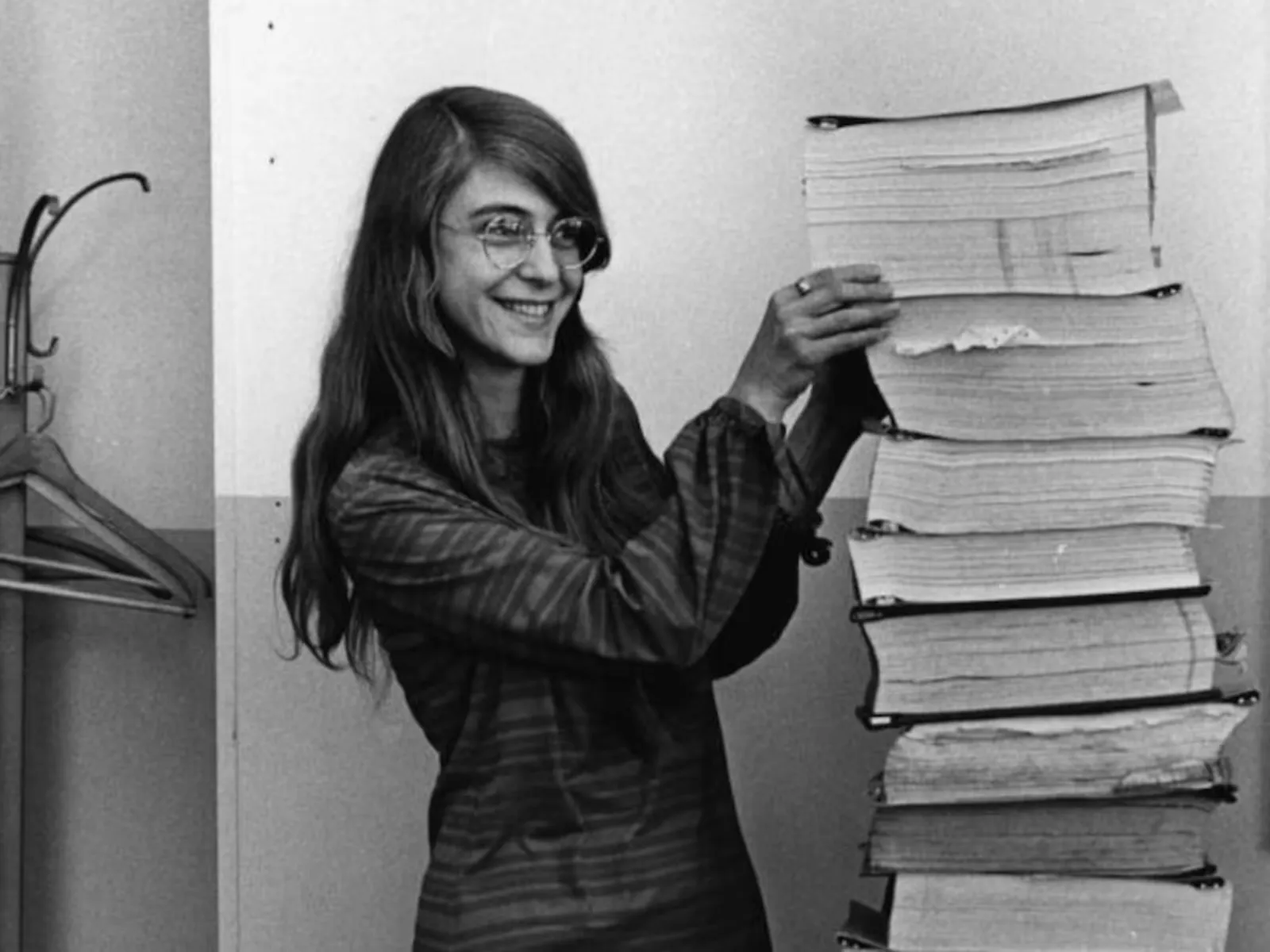
In 1969, a photograph of Hamilton standing next to a massive stack of Apollo printouts became one of the most iconic images in the history of programming. Those pages contained the code that had to work perfectly on the first try, hundreds of thousands of kilometers away from Earth. Hamilton lived for more than half a century beyond the Apollo era, but it was this work that made her name a part of the history of both astronautics and computer science.
If you are interested in AI, technology, and the future—welcome to my channel to discuss and share updates.
Translated from Russian. Original on vc.ru: Умерла Маргарет Хэмилтон. Женщина, чей код помог посадить человека на Луну