Analysts estimate the damage from the Ledger attack has exceeded $100 million. Hackers used hidden chips in genuine crypto wallets
Ledger attack, hidden chips in wallets, interception of seed phrases, Bitquery investigation, stolen funds, implications for Ledger and competitors

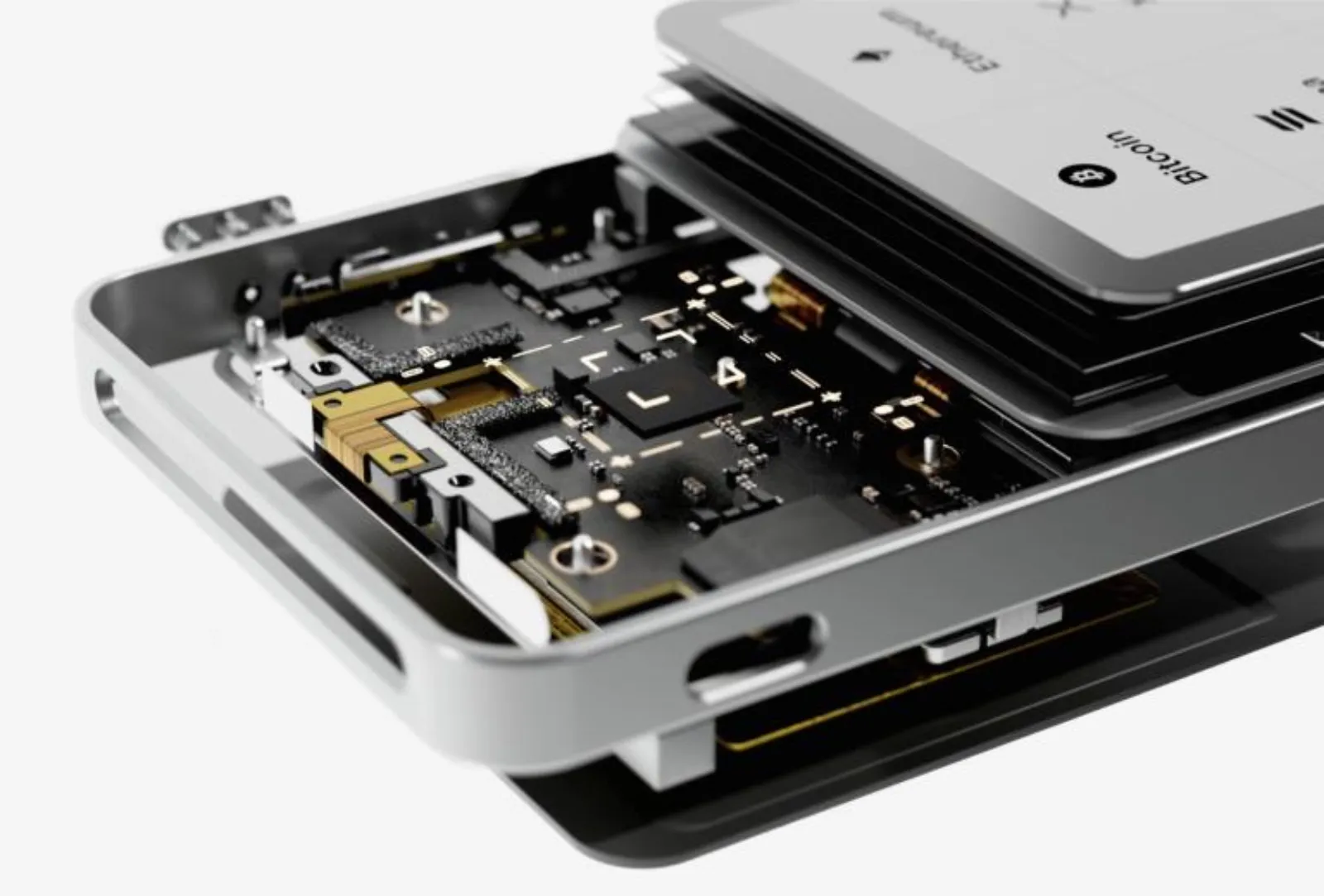
The attack occurred on October 9, 2026. The attackers used genuine Ledger wallets that had been pre-fitted with hidden electronic components. They intercepted recovery seed phrases and transmitted them to criminals via a mobile network.
New data: $103.4 million and hundreds of wallets
Initial reports of the attack estimated losses at approximately $86 million. Later, analysts began identifying additional addresses linked to the stolen funds.
On October 16, Bitquery published a detailed investigation into cryptocurrency movement across six blockchains: Bitcoin, Ethereum, Tron, Solana, BNB Chain, and Polygon.
According to their calculations, the criminals withdrew $102 million from 335 wallets.
YFarmX provided an even higher estimate. According to the analytical platform, the total volume of suspicious withdrawals amounted to $103.4 million from 530 addresses.
However, 530 addresses do not necessarily mean 530 affected individuals. One owner may control multiple cryptocurrency addresses, and research methodologies vary between companies.
Ledger has not yet confirmed these figures. Therefore, these are independent estimates rather than a finalized total of the theft.
The criminals prepared for the attack in advance
Bitquery's investigation allowed for the reconstruction of the attackers' sequence of actions.
Researchers first detected preliminary preparatory operations in late September. For approximately two weeks, the criminals conducted small test transactions.
Then, on October 9, the mass draining of wallets began.
In the Tron network, analysts discovered unusual synchronicity. Dozens of addresses provided access to the same management key almost simultaneously.
In one instance, 25 wallets signed identical permissions in just three seconds.
Such coordination points to a pre-planned operation where the criminals already possessed the data needed to manage the victims' funds.
How the hidden chip bypassed Ledger's security
A technical investigation by Ledger's Donjon unit showed that the attackers did not hack the secure Element chip.
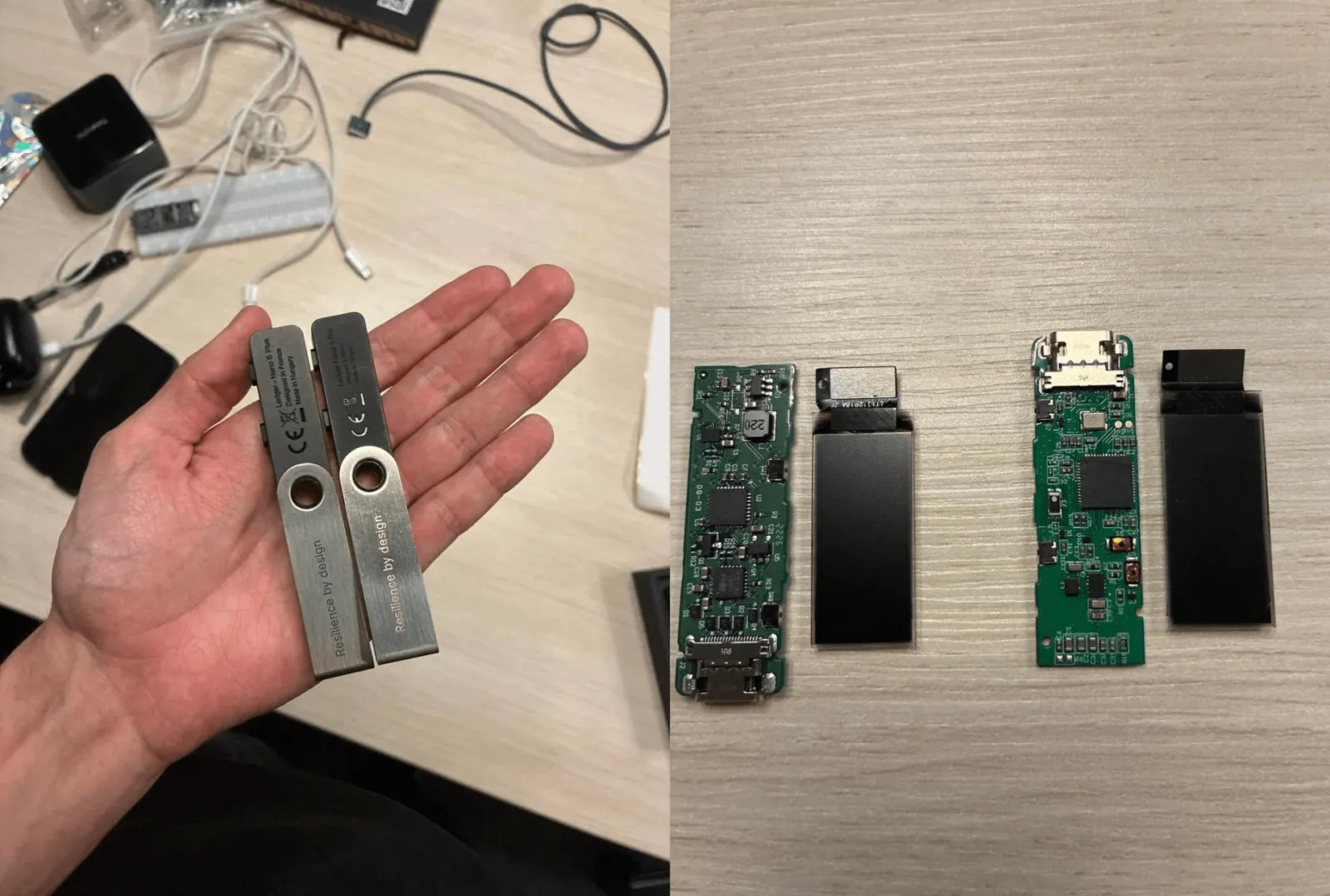
Instead, they opened genuine devices, installed additional electronics, and put the wallets back up for sale.
The implant read information from the screen during the initial setup.
When the device displayed the 24-word recovery seed phrase to the user, the rogue component intercepted it and transmitted it via LTE using a built-in eSIM.
By obtaining these words, the criminals could restore access to the assets on another device.
Meanwhile, the original operating system and Ledger's secure chip remained unchanged.
This is precisely why standard software authenticity checks might fail to detect the physical modification.
Where did the stolen money go?
Analysts determined that the attackers used several methods to move and hide the funds.
A portion of the assets passed through the Tornado Cash cryptocurrency mixer. Other amounts were converted via Zcash and the THORChain cross-chain protocol.
According to Bitquery, approximately 7,700 ETH linked to the tracked scheme passed through Tornado Cash between October 9 and October 16.
Tether froze about $10 million in USDT across 20 addresses.
However, a significant portion of the stolen assets continued to move.
The investigation notes that some funds that were potentially available for blocking managed to exit before measures were taken. Specifically, 2.38 million USDC moved on October 14 and 15.
It wasn't just Ledger's reputation that suffered
Ledger linked the confirmed theft cases to devices sold through an authorized reseller, CryptoBilis, in Southeast Asia.
The company asked partners to temporarily suspend sales in that region and in Hong Kong.
In Europe, the MediaMarkt Saturn chain also halted the sale of the affected products following a report of a modified device in Germany. However, no confirmed theft of funds occurred in the German episode.
The consequences also affected competitors.
Trezor removed CryptoBilis from its partner list and announced a reduction in its dealer network. Some existing authorizations will terminate on January 1, 2027.
OneKey also revoked CryptoBilis's reseller status and offered free replacements for its devices purchased through this vendor between March 1 and October 13, 2026.
Ledger is changing its sales rules
On October 15, Ledger published an official statement calling the incident a targeted attack on its device distribution channels.
The company asserts that its own infrastructure, secure chips, operating system, and direct sales were not compromised.
Following the incident, Ledger tightened requirements for authorized resellers.
Devices returned by customers are prohibited from being resold, regardless of the condition of the packaging.
Products must be stored away from open displays and handed directly to the customer at the time of sale.
The company is also conducting inventory audits and is working with law enforcement.
In its official statement, Ledger reported that specialists inspected device samples from stores and warehouses, including European markets, and found no additional malicious components.
What should hardware wallet owners do?
Particular attention must be paid to devices purchased through CryptoBilis.
If the wallet has not yet been set up, Ledger recommends not activating it and contacting official support.
If the device has already been used, the company advises moving funds to a new wallet with a new recovery phrase.
Simply replacing the hardware while keeping the old 24 words does not solve the problem. If the phrase has already been intercepted, the attackers retain access to the assets.
A firmware update also does not guarantee the removal of a physical implant.
If you suspect a compromise, you must act through official support channels and never share your seed phrase with third parties.
Why does this attack change our perception of crypto security?
Hardware wallets are traditionally considered one of the most reliable ways to store cryptocurrency because private keys are isolated from standard computers.
But the October incident demonstrated a different kind of threat.
The criminals did not need to break the cryptography or find a vulnerability in the firmware.
They attacked the device before it ever reached the user.
As a result, a technically authentic wallet with a functional secure chip could transmit secret information to attackers.
The most important takeaway from the investigation is that the security of digital assets begins long before the first transaction.
It depends not only on software and cryptographic algorithms but also on the physical integrity of the device, return policies, vendor oversight, and supply chain transparency.
As of October 29, the final amount of damage, the number of victims, and the prospects for recovering the stolen funds remain open questions.
If you are interested in AI, technology, and the future—welcome to my channel to discuss and share updates.
Translated from Russian. Original on vc.ru: Ущерб от атаки на Ledger превысил $100 млн по оценкам аналитиков. Хакеры использовали скрытые чипы в настоящих криптокошельках