Scientists have merged 15 biocomputers with living neurons into a single system called HIVE
Cortical Labs' HIVE system integrates biocomputers, featuring adaptive neurons, high character recognition accuracy, collective decision-making, and new computational approaches

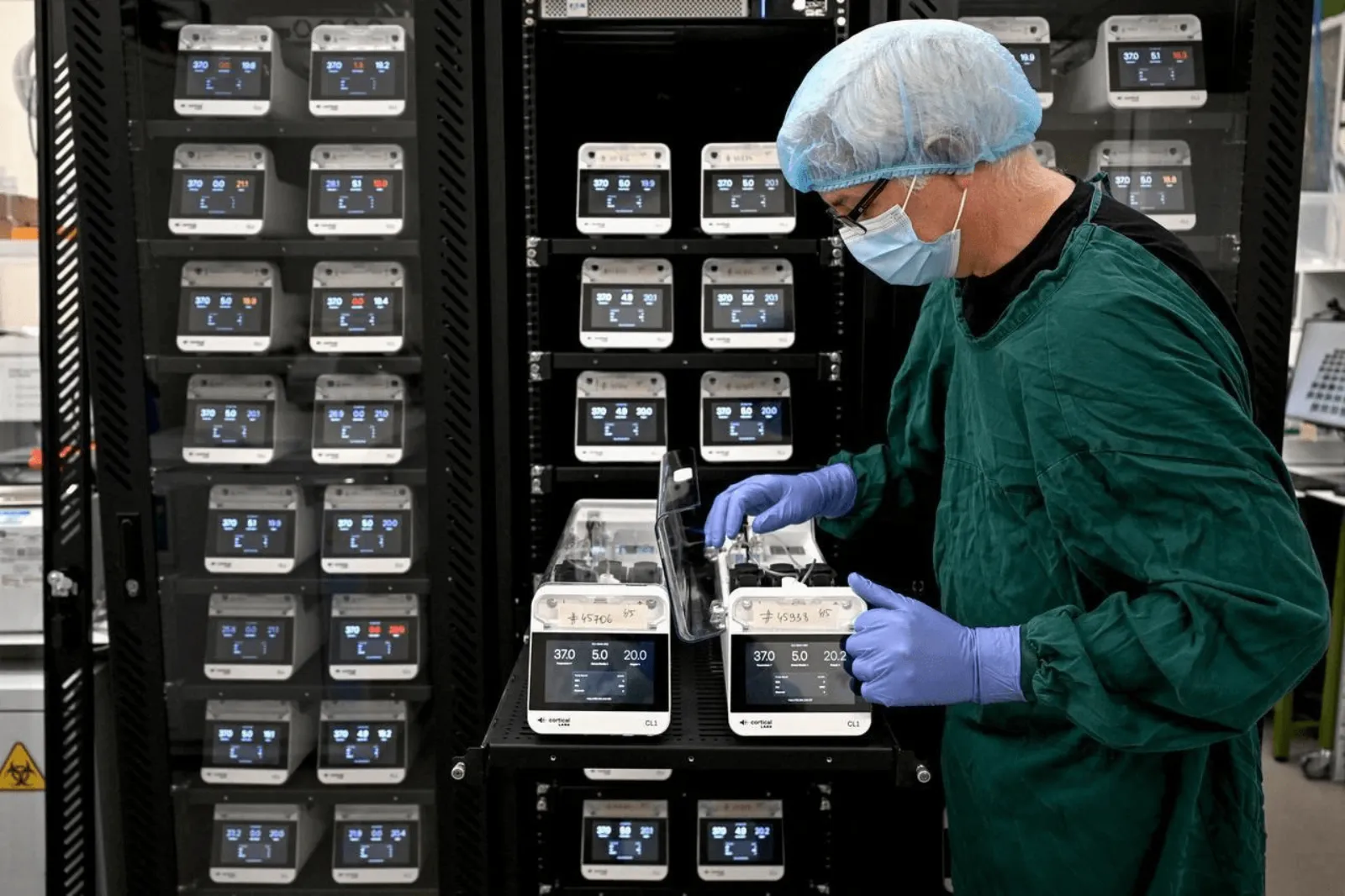
Cortical Labs uses living human neurons instead of traditional computing circuits. In separate experiments, the collective operation of these devices boosted character recognition accuracy to 99%, while navigation results outperformed a tested AI algorithm.
How does a computer made of living cells work?
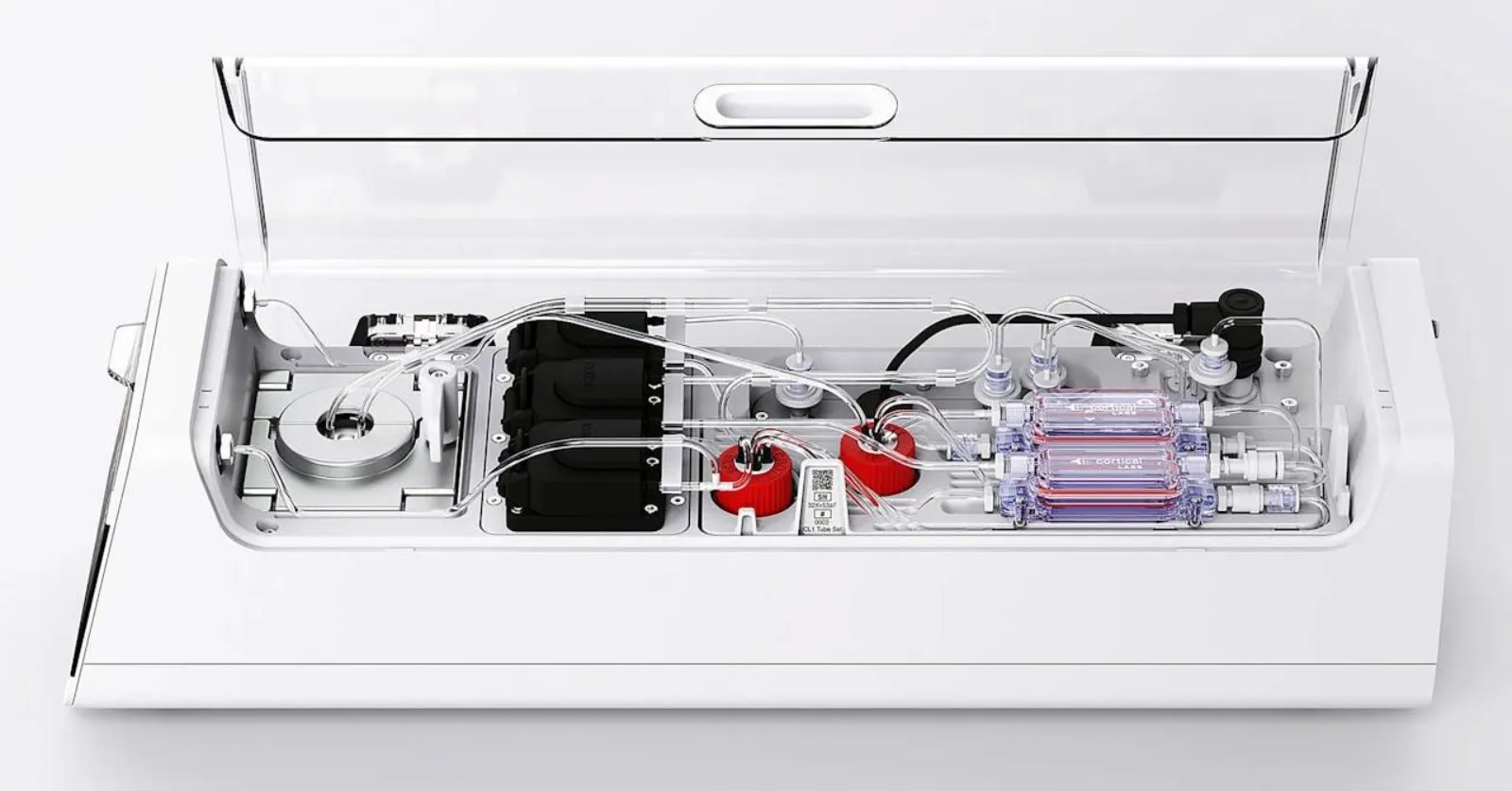
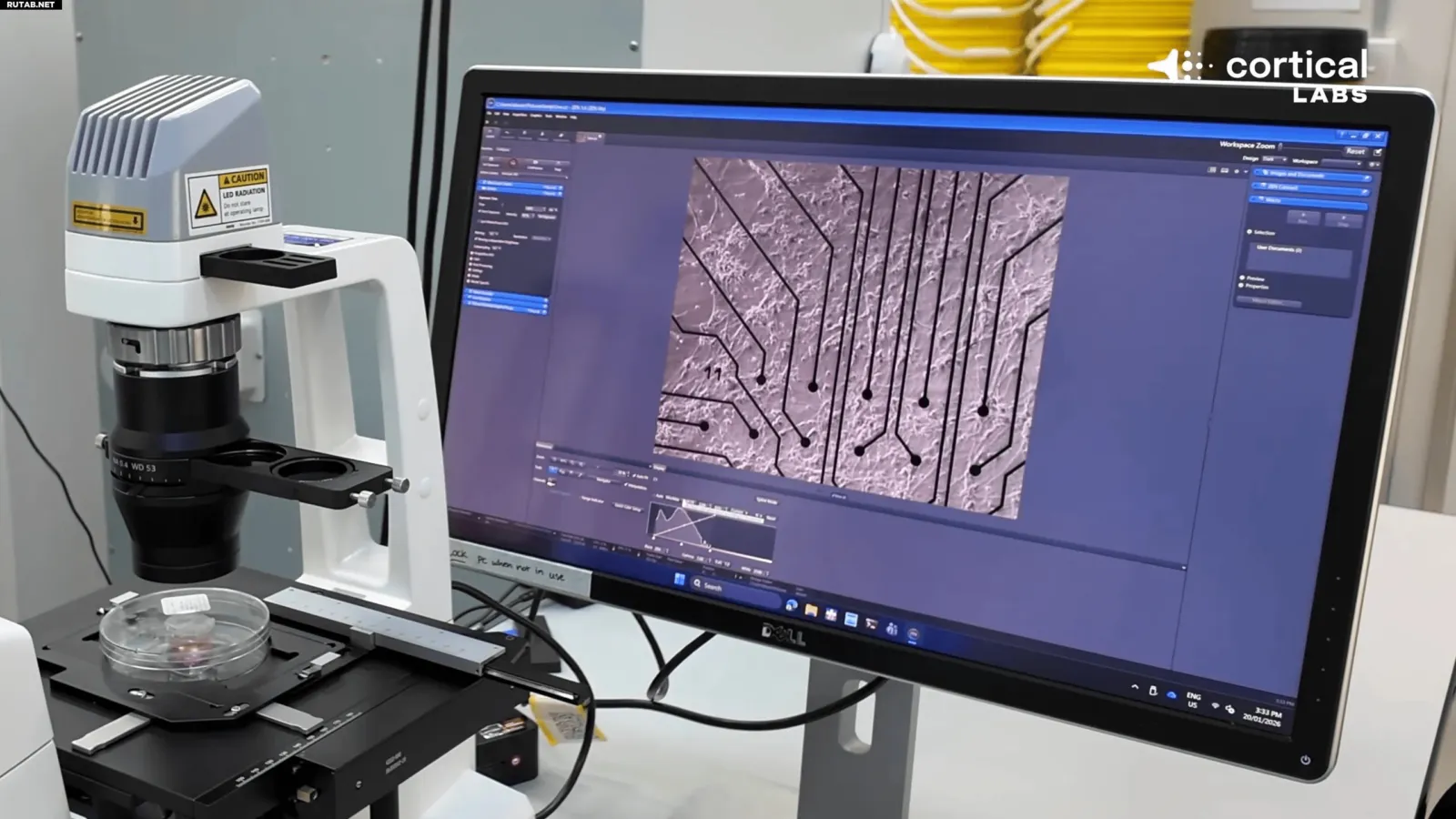
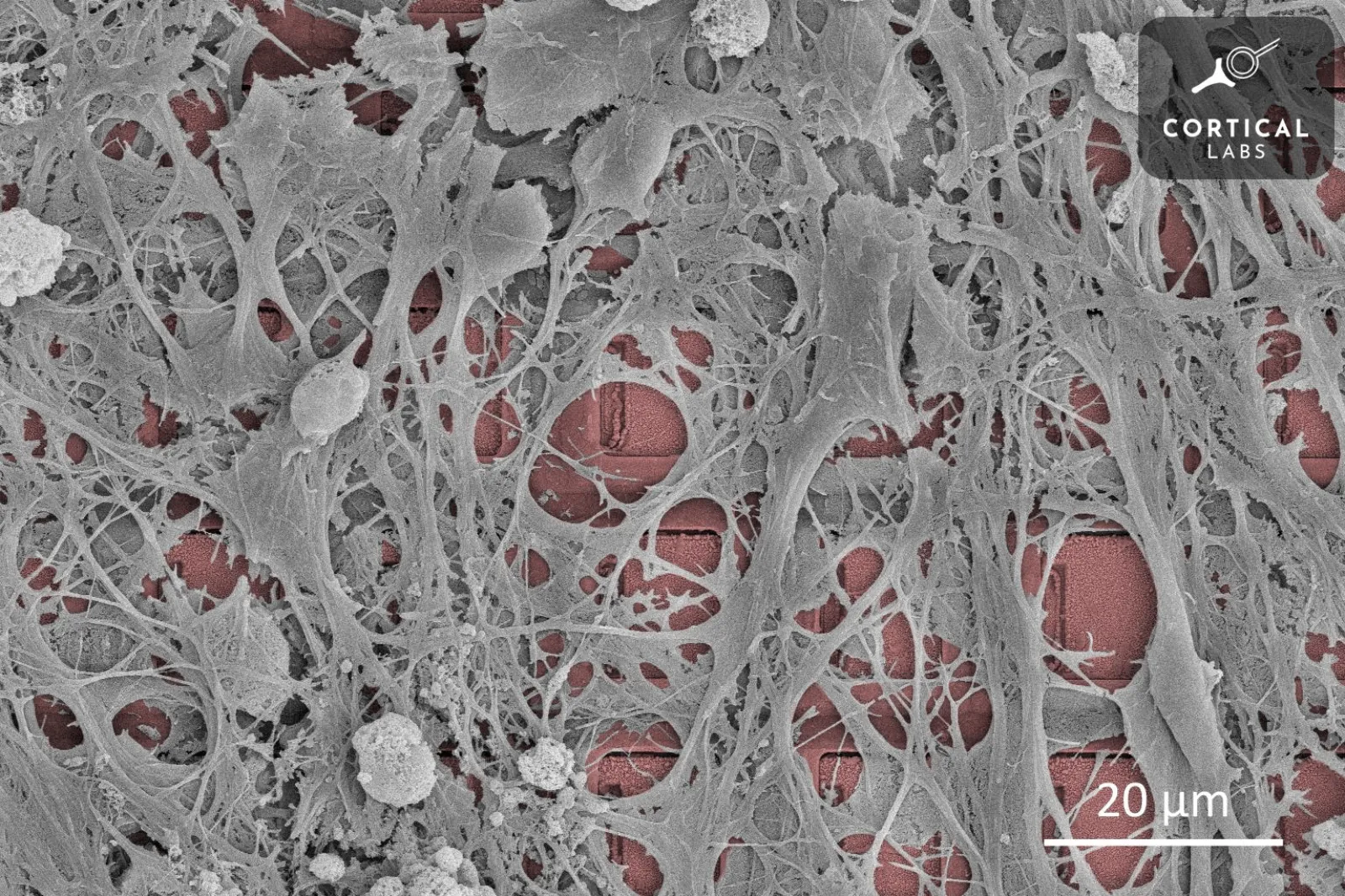
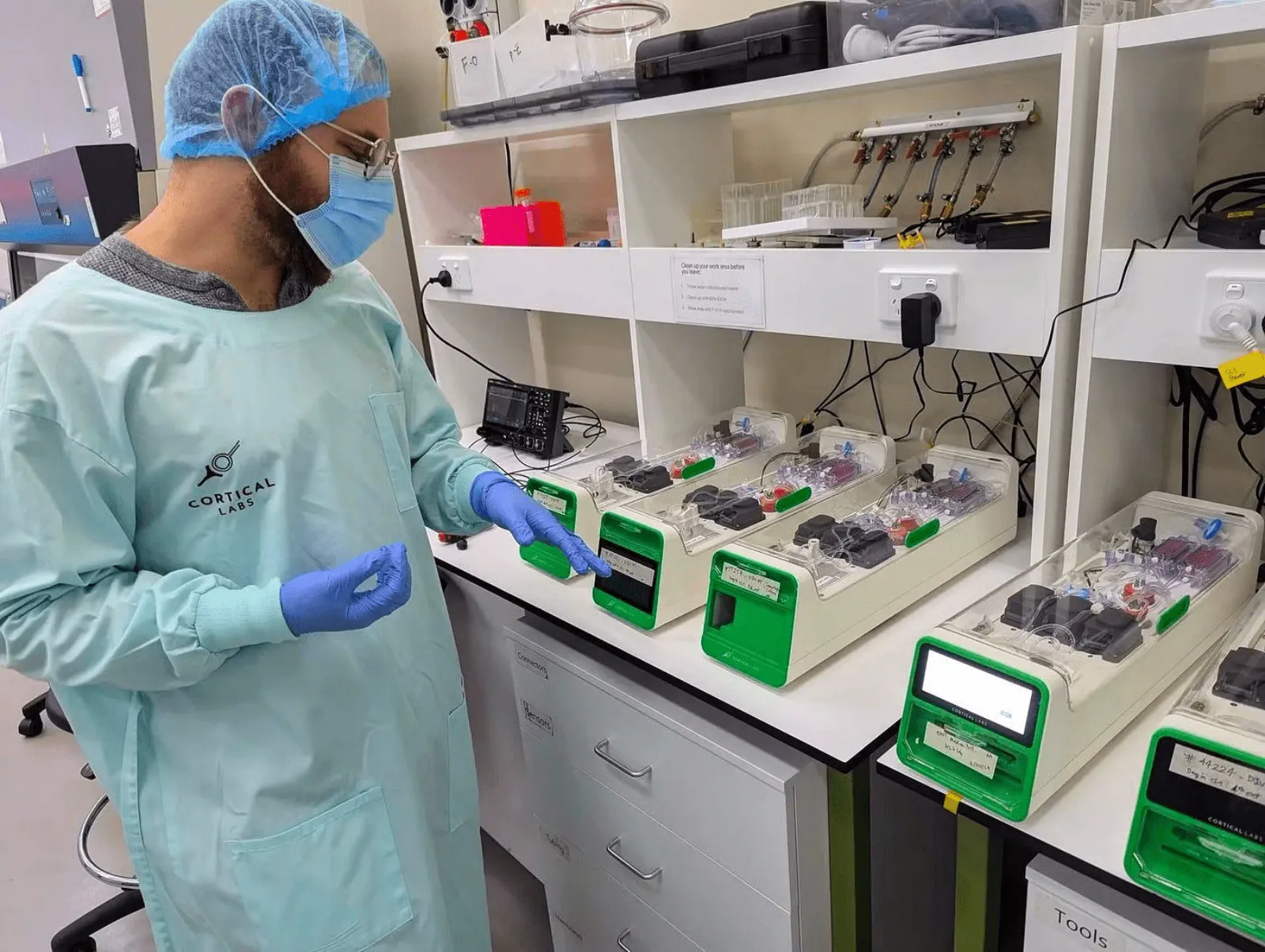
At the core of the system is the CL1, a device where lab-grown neurons are placed on a silicon chip equipped with electrodes. Electrical signals transmit information to the cells, and their activity is read by the computer and converted into control commands.
Neurons are capable of altering their responses through feedback. This allows the biological system to adapt to specific tasks without the need for traditional programming of every single action.
Previously, Cortical Labs demonstrated how about 200,000 neurons could control a character in the game Doom. Even earlier, the company taught neural cultures to interact with the game Pong.
What did the HIVE system reveal?
Researchers merged 15 CL1 devices to test how much more effectively they work together.
In a character recognition task, using seven biocomputers increased accuracy from approximately 80% to 99%.
In another experiment, neural cultures controlled a virtual character tasked with reaching a goal on a grid. The results were as follows:
• The classic Deep Q Network algorithm achieved about 32% of the maximum possible score.
• The best individual CL1 biocomputer scored about 40%.
• Collective decision-making across multiple devices boosted the result to 70%.
• Dividing tasks among specialized groups allowed the score to approach 80%.
The researchers' observations regarding the game Pong were particularly interesting. According to their data, individual neural cultures began to distribute control of the game paddle among themselves without any pre-assigned roles.
Are living neurons actually smarter than AI?
It is too early to say for sure. HIVE outperformed a specific algorithm under specially selected experimental conditions, but this does not imply superiority over modern large language models or other advanced AI systems.
The presented results remain preliminary and require independent replication. Furthermore, biocomputers are currently only capable of performing a limited set of tasks.
However, the study demonstrates a key feature of living neural networks: the ability to adapt to new information and solve problems collectively with relatively small amounts of training.
What comes next?
Biological computing could find applications in neurobiology, drug discovery, disease modeling, and the development of new machine learning methods.
One potential advantage is the low energy consumption of the neurons themselves. However, to assess the efficiency of the entire system, one must account for the equipment required to maintain cell viability.
HIVE won't replace conventional computers just yet, but it demonstrates the possibility of a fundamentally different approach to computing—one where information is processed not just by silicon, but by living nerve tissue.
If you are interested in AI, technology, and the future—welcome to my channel to discuss and share updates.
Translated from Russian. Original on vc.ru: Учёные объединили 15 биокомпьютеров с живыми нейронами в единую систему HIVE